Professional Water Damage Restoration Near You in Gilbert, Arizona.
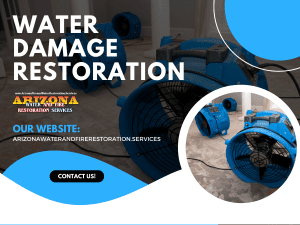 Water damage requires immediate action—especially in Arizona, where seasonal monsoons, flash floods, and aging infrastructure can create unique water intrusion challenges. While water damage can result from many causes, such as appliance failures or burst pipes, Arizona residents are particularly vulnerable during monsoon season (typically July through September), when fast-moving storms can overwhelm drainage systems and cause sudden flooding.
This guide on water damage restoration covers the essential steps: inspection, extraction, Moisture removal, and repairs. These strategies are designed to help Arizona property owners manage and mitigate damage effectively—whether from storm runoff in Phoenix, slab leaks in Mesa, or roof failures in Gilbert due to intense sun exposure and deteriorating materials.
Water damage mitigation is not just about drying out your home; it’s about restoring your property to its pre-damage condition through a thorough process involving inspection, extraction, dehumidification, and repairs. In arid regions like Arizona, many homeowners are caught off guard by how quickly water from even a small leak can spread and soak into structural materials.
Delayed responses can cause black mold growth, especially in areas like crawl spaces and attics, which often go unnoticed in desert homes. Acting fast is your best defense.
Understanding the common causes of water damage, from broken irrigation lines to flat-roof pooling in homes around Scottsdale and Chandler, helps homeowners take preventive steps. Look for signs like warping materials, water stains, bubbling paint, or musty odors—all indicators that water is lurking beneath the surface.
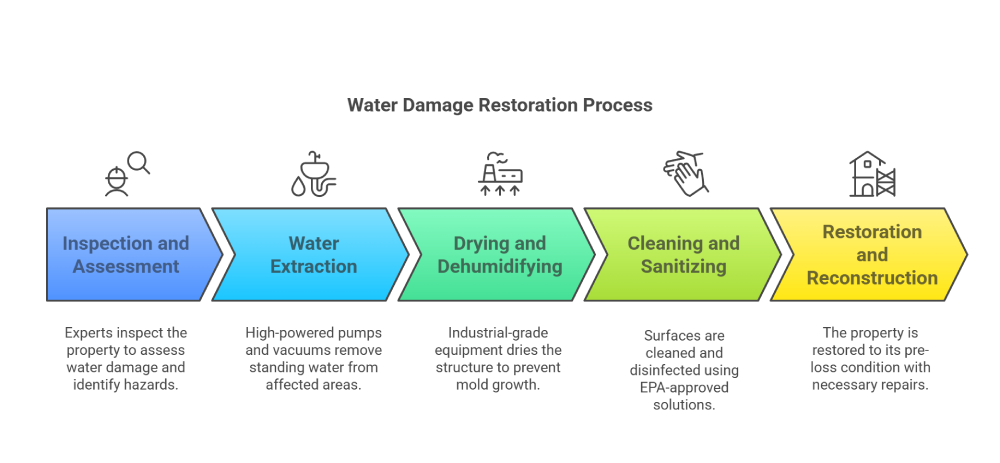
The restoration process typically involves five key steps:
- Inspection and Assessment: Our team of experts begins by inspecting your property to assess the full extent of the water damage. We use state-of-the-art moisture detection equipment to evaluate the level of moisture present in the air, walls, floors, and structural components. We also identify the source of the water intrusion and check for any safety hazards, such as electrical issues or structural weaknesses.
- Water Extraction: Once the assessment is complete and the source has been addressed, we start the water extraction process. Using high-powered pumps and commercial-grade vacuums, we remove standing water from carpets, floors, baseboards, and other affected areas. Fast and effective extraction helps minimize secondary damage and reduces drying time.
- Drying and Dehumidifying: After the standing water has been removed, we begin drying the structure using industrial-grade air movers and dehumidifiers. This critical phase ensures that all hidden moisture—especially within walls, subflooring, and behind cabinets—is thoroughly removed. Our team closely monitors moisture levels throughout the process to prevent mold growth and material degradation.
- Cleaning and Sanitizing: Water damage often brings contaminants into the home—especially in Category 2 or 3 water losses. During this step, we clean, disinfect, and sanitize all affected surfaces and belongings. We use EPA-approved antimicrobial solutions to prevent bacteria, odors, and mold. Depending on the extent of the damage, we may also provide odor removal and content cleaning for salvageable items.
- Restoration and Reconstruction: The final step in the process is restoring your property to its pre-loss condition. This can include minor repairs, such as drywall patching and painting, or major reconstruction like flooring replacement, cabinetry repair, or structural rebuilding. Our skilled restoration team ensures every detail is addressed to make your home or business whole again.
Let’s delve into what you need to do immediately when water damage occurs—especially in the high-risk environments common throughout the Phoenix Valley.
Key Takeaways
- Immediate action is crucial in water damage situations, whether caused by a weather event or other factors, to prevent serious structural issues and health risks, such as mold growth.
- The water damage restoration process consists of five key steps: inspection, water removal, drying, cleaning, and reconstruction.
- Preventive measures, like regular maintenance and monitoring for leaks, are essential to reduce the risk of future water damage.
- Water damage restoration is not just about drying out your home; it’s about restoring your property to its pre-damage condition through a meticulous process involving inspection, extraction, dehumidification, and repairs. Immediate action is paramount. Delayed responses can lead to severe structural issues and health risks, such as mold growth.
- Understanding the common causes of water damage, from broken pipes to natural disasters, helps in taking preventive measures. Look for signs like warping materials, water stains, and musty odors, which often indicate underlying issues.
- The restoration process typically involves five key steps: inspection, water removal, drying, cleaning, and reconstruction. Now, let’s delve into the immediate steps you must take when water damage occurs.
Understanding Water Damage and Its Risks
Water damage can happen fast and cause long-term problems if not handled quickly and correctly. Whether it’s from a broken pipe, roof leak, appliance failure, or a sudden Arizona monsoon storm, water can quickly seep into floors, walls, ceilings, and structural framing. What starts as a small leak can lead to widespread damage, mold growth, and costly repairs if ignored.
In Arizona, the risks of water damage are unique due to the climate. Flash floods during monsoon season, slab leaks in aging homes, and poorly insulated plumbing can all contribute to water-related emergencies. Even high humidity in certain months can create ideal conditions for moisture to linger in hidden areas.
Health and Safety Risks
When water damage isn’t addressed immediately, it can become a serious health hazard. Moisture creates the perfect environment for mold and mildew to grow, often within 24 to 48 hours. They can spread quickly and release spores into the air, triggering allergies and respiratory issues—especially in children, seniors, and individuals with compromised immune systems.
Standing water can also carry harmful bacteria, especially if the source involves sewage backup. In these cases, the water is considered Category 3, or “black water,” and requires professional biohazard cleanup to ensure safety.
Structural Damage and Long-Term Costs
Water doesn’t just sit on the surface—it travels. It seeps into porous materials like drywall, wood, carpet padding, and insulation. Over time, this can cause:
- Warped floors and cabinets
- Swollen drywall and peeling paint
- Rotted wood framing
- Electrical hazards behind walls
- Foundation cracks or shifting
Even a small delay in the cleanup can increase the risk of permanent damage, raise repair costs, and lower the value of your home or commercial property.
Insurance and Property Value Concerns
Most water damage events are covered by insurance—but only if action is taken immediately. If restoration efforts are delayed or improper cleanup is attempted, insurance companies may deny the claim due to “neglect.” Working with a certified restoration company helps you document damage, communicate with your insurance provider, and protect your claim.
Additionally, unresolved water damage can lead to property devaluation. Home inspectors and real estate agents often flag water damage as a serious concern during sales or refinancing.
Immediate Steps for Flood Damage Control
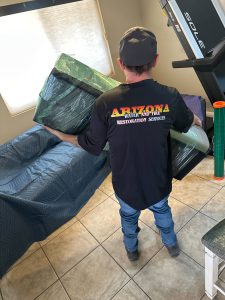 When water damage strikes, time is of the essence. When water damage strikes, whether from a burst pipe or a weather event, time is of the essence. Acting quickly can prevent major damage and the onset of mold growth, which can lead to health issues and additional property damage. Documenting the damage with photographs and videos is crucial as it provides evidence for insurance claims, often not covered by flood insurance policies if mold develops.
Start by listing some forbidden forms of the keyword “electrical shock” according to the rule 5. First, locate and shut off the water supply to stop further flooding. Knowing the location of your water shut-off valve can save you valuable time and prevent extensive damage. First, mop up as much standing water as you can. Then, use a blotting technique to soak up any remaining moisture. Avoid using household vacuum cleaners as they can pose electrical hazards and may lead to an electrical shock. Also, reach out to emergency services to help minimize the damage and restore safety.
Early assessment of the serious damage from storm damage is vital. Delays can exacerbate the issues, making the restoration procedure more complicated and costly. Taking these immediate actions can significantly reduce the impact of water damage on your property.
Next, we will explore how professional water extraction services can further aid in this procedure.
Ensuring Safety During Cleanup
When dealing with water damage, it’s crucial to prioritize safety during the cleanup process. This includes wearing protective gloves, goggles, and masks to prevent exposure to contaminated water and hazardous materials. It’s also essential to ensure good ventilation in the affected area and avoid using electrical equipment in wet conditions to prevent electrical shock. Furthermore, it’s recommended to hire a professional water damage restoration service to handle the cleanup and restoration process, especially if the damage is extensive.
 Why Homeowners Should Call Arizona Water and Fire Restoration Services
Water damage doesn’t wait—and neither should you. Whether it’s a burst pipe, slab leak, roof failure, or flood from a monsoon storm, fast response is critical to protect your home and health. Arizona Water and Fire Restoration Services is your trusted local expert for emergency water damage restoration across Gilbert, Mesa, Chandler, Queen Creek, San Tan Valley, Phoenix, and surrounding Arizona communities.
We understand how stressful unexpected water damage can be. That’s why we’re available 24/7, with trained crews ready to arrive quickly and begin immediate mitigation. Our certified technicians use industry-leading equipment to extract water, dry and sanitize your home, and restore damaged materials—so you can get back to normal without delay.
 Why Choose Us?
- Fast response times—typically within 60 to 90 minutes
- Local technicians who know Arizona homes and climate-specific challenges
- Full-service water damage cleanup, mold prevention, and reconstruction
- Assistance with insurance documentation and claims support
- EPA-approved sanitization and odor control methods
Whether your water damage is small or widespread, we’re here to help restore your home with care, efficiency, and expert service.
 Contact Us Today
Arizona Water and Fire Restoration Services (480) 525-9799 servpro9975@gmail.com
 www.arizonawaterandfirerestoration.services
We’re available 24 hours a day, 7 days a week—including nights, weekends, and holidays. Call now for immediate help or to schedule a free inspection.
Our Comprehensive Drying and Dehumidification
Drying and dehumidification are critical components of the water damage cleanup process. We use industry-leading drying equipment, such as air movers and high-velocity fans, as well as electrical equipment, to enhance evaporation and ensure thorough drying of affected areas. Strategic placement of this equipment maximizes airflow and efficiency, speeding up the drying process.
Dehumidifiers play a vital role in maintaining optimal humidity levels. Our technicians continuously monitor the effectiveness of the drying equipment to ensure that the conditions are favorable for complete drying. Temperature control and moisture mapping further enhance the effectiveness of the drying and dehumidification process, ensuring no hidden moisture remains.
With our comprehensive approach, we aim to prevent mold growth and structural damage.
Assessing and Documenting Damage
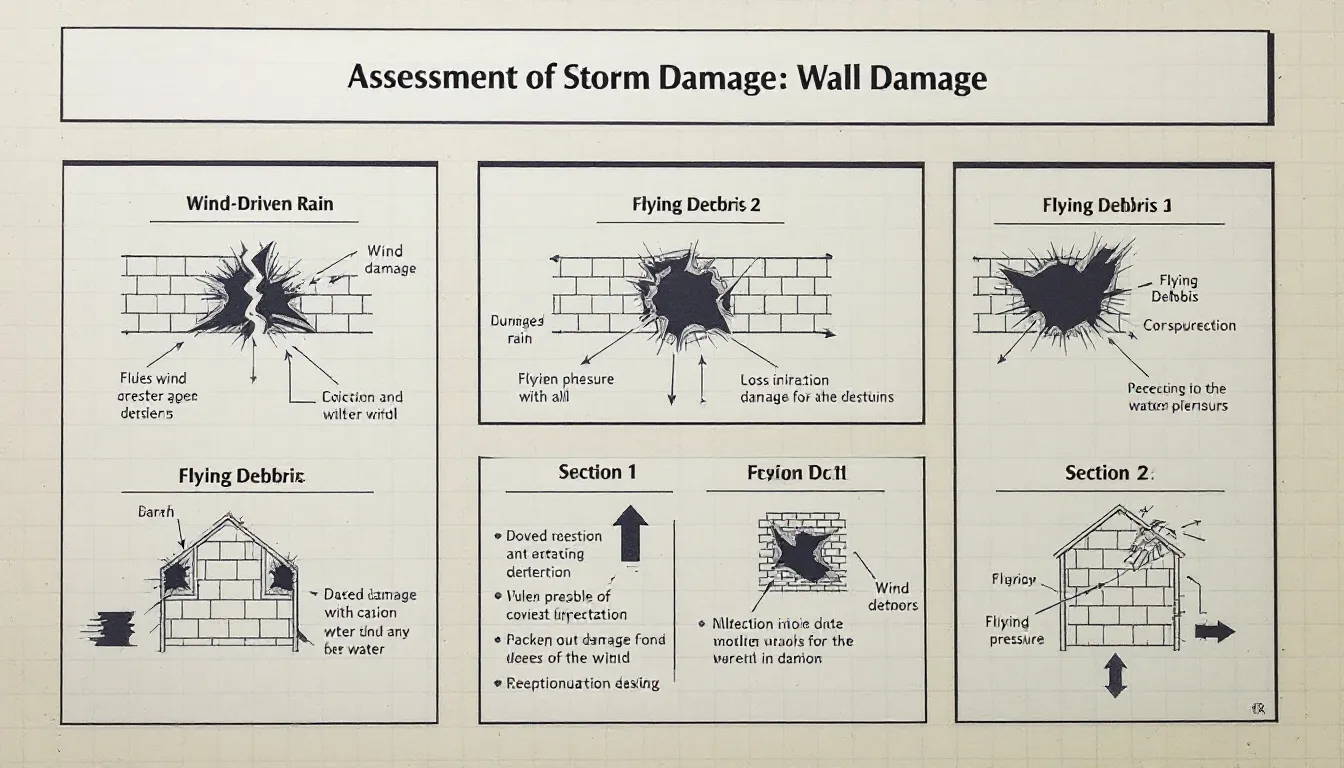
The first step in the restoration process is a thorough inspection to assess the severity of the water damage. Our technicians focus on understanding the source and extent of the issues, identifying hazards, and determining which materials can be restored or need to be replaced. This initial assessment is crucial in planning an effective restoration strategy.
Accurate documentation of the damage is essential for working with insurance claims. Detailed records provide the necessary information for proper coverage and ensure a smooth claims process. This documentation includes identifying structural damage, property damage, and other affected areas, which will guide the subsequent steps in the damage restoration process.
Now, let’s look at the crucial step of structural repairs and restoration.
Mold Prevention and Remediation
Mold growth is a common consequence of water damage, and it can pose serious health risks if not addressed promptly. To prevent mold growth, it’s essential to dry the affected area quickly and thoroughly, using fans and dehumidifiers to speed up the process. In addition, it’s recommended to use mold-resistant products and materials during the restoration process. If mold growth has already occurred, it’s essential to hire a professional mold remediation service to safely and effectively remove the mold.
Structural Repairs and Restoration
Addressing structural damage is a critical part of the water damage restoration process. Water can weaken walls, ceilings, and floors, potentially leading to severe structural failures if not promptly addressed. The extent of the required repairs often depends on the classification of the water damage, with more severe cases necessitating extensive reconstruction efforts.
During the repair phase, specialists may replace unsalvageable materials such as drywall and flooring. They assess whether reconstruction is needed based on the damage level and ensure that the property is restored to its pre-damage condition. This meticulous approach ensures the safety and structural integrity of the buildings.
Handling Contaminated and Damaged Materials
Handling contaminated and damaged materials is a delicate part of the water damage cleanup process. Materials that cannot be restored are removed to prevent health hazards and further property damage. Homeowners are kept informed about any materials that cannot be successfully restored, ensuring transparency.
Typically removed materials include contaminated carpets, furniture, and drywall, which can harbor harmful substances like pathogens and hazardous chemicals. Non-porous surfaces are evaluated to determine if they can be cleaned and disinfected effectively. This careful handling of materials ensures a safe and thorough cleanup.
Preventing Future Water Damage and Mold Growth
 Preventing future water damage starts with regular maintenance and proactive measures. Ensuring the functionality of sump pumps can prevent basement flooding during heavy rains. Keeping gutters free from debris prevents blockages, which are common causes of dampness in homes.
Inspecting both the interior and exterior of the roof for signs of damage is necessary to prevent leaks. Protecting against pipe freezing by maintaining a minimum indoor temperature, especially when away from home for extended periods, can prevent costly water damage. Installing water leak detection devices that automatically shut off the water supply during a leak can safeguard vacant properties.
Regularly checking for signs of moisture or mold can help identify potential water damage issues before they escalate. Conducting routine maintenance and monitoring ensures that preventive measures are effective and help identify issues early. These steps can significantly reduce the risk of future water damage and protect your property.
Navigating Insurance Claims
Navigating insurance claims can be daunting, but it’s a crucial part of the water damage restoration process. Before starting the cleanup, take detailed photographs and videos of all damage, both inside and outside the property. Keeping receipts and recording serial numbers of damaged large appliances can help substantiate claims during the insurance process.
Understanding your insurance policy is vital, as it often covers only sudden and unintentional water damage. Contacting your insurance company promptly is crucial, as there may be a limited time frame for filing claims. Consulting with professionals can provide valuable insights into whether to file a claim or handle repairs out of pocket.
Here are some questions to ask your insurance agent when dealing with a water loss:
- What is my deductible, and how does it apply to water damage claims?
- Is water damage covered under my policy, and if so, what types of water damage are covered?
- Will my policy cover the cost of water damage restoration services, including water extraction, drying, and dehumidifying?
- Are there any limits to the coverage for water damage restoration services?
- Do I need to provide any documentation, such as photographs or receipts, to support my claim?
- How long will it take for my claim to be processed, and when can I expect to receive payment for my damages?
Health Hazards and Safety Precautions
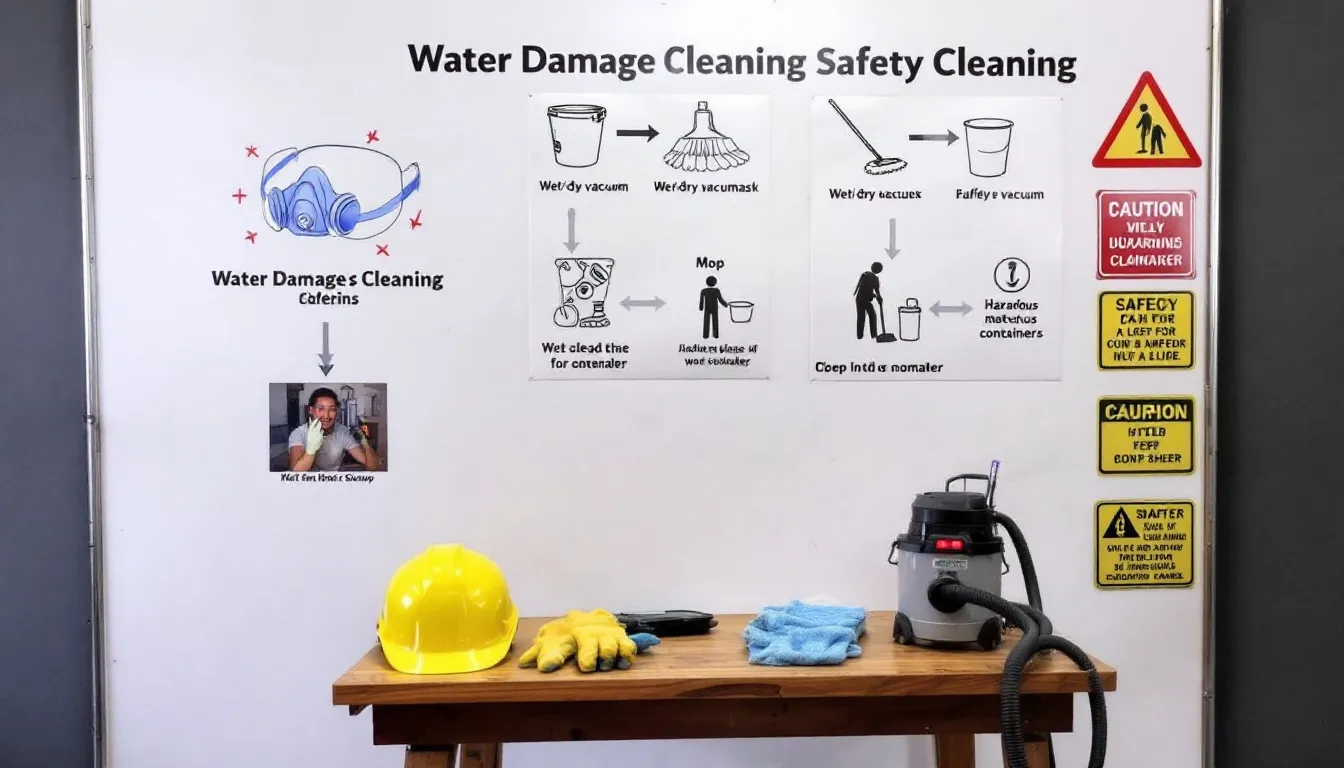
Flood water can introduce mold, bacteria, and chemicals into homes, posing serious health hazards. Repeated exposure to mold may lead to severe respiratory issues, particularly for sensitive individuals. Wearing personal protective gloves equipment (PPE) such as gloves, goggles, and masks is essential during flood cleanup to ensure safety.
Cleaning tools should be thoroughly disinfected after use to prevent cross-contamination of mold spores. These precautions are vital to staying safe during the water damage cleanup process.
Next, we will highlight the importance of emergency services and support.
Emergency Services and Support
Emergency services for water damage situations are available 24/7 to provide immediate assistance. With response times ranging from 60 to 90 minutes, these services help mitigate damage and restore safety quickly. Arizona Water and Fire Restoration Services will help you find an IICRC certified company if none of our crews are available.
Having access to reliable emergency services ensures that you are not alone during a crisis. These services provide the support needed to navigate the immediate aftermath of water damage and begin the restoration process swiftly.
Let’s summarize the key points and conclude this guide.
Additional Resources and Guidance
For individuals and businesses affected by water damage, there are several resources available to provide guidance and support. The National Flood Insurance Program (NFIP) offers flood insurance policies to help cover the costs of flood damage. Additionally, the Federal Emergency Management Agency (FEMA) provides resources and guidance on disaster preparedness and response. The Environmental Protection Agency (EPA) also offers resources on mold prevention and remediation, as well as guidance on safe drinking water and water extraction. By taking proactive steps to prevent and mitigate water damage, individuals and businesses can reduce the risks associated with this type of disaster and ensure a safe and speedy recovery.
The Bottom Line
In summary, water damage restoration is a comprehensive process that involves immediate action, professional services, and thorough documentation. From water extraction to drying and dehumidification, each step is crucial in restoring your property to its pre-damage condition. Preventive measures and regular maintenance can significantly reduce the risk of future water damage.
Remember, acting quickly and consulting with professionals can make all the difference in minimizing damage and ensuring a smooth restoration process. By being proactive and informed, you can protect your home and peace of mind. Ready to take action? Let’s keep your property safe and sound.